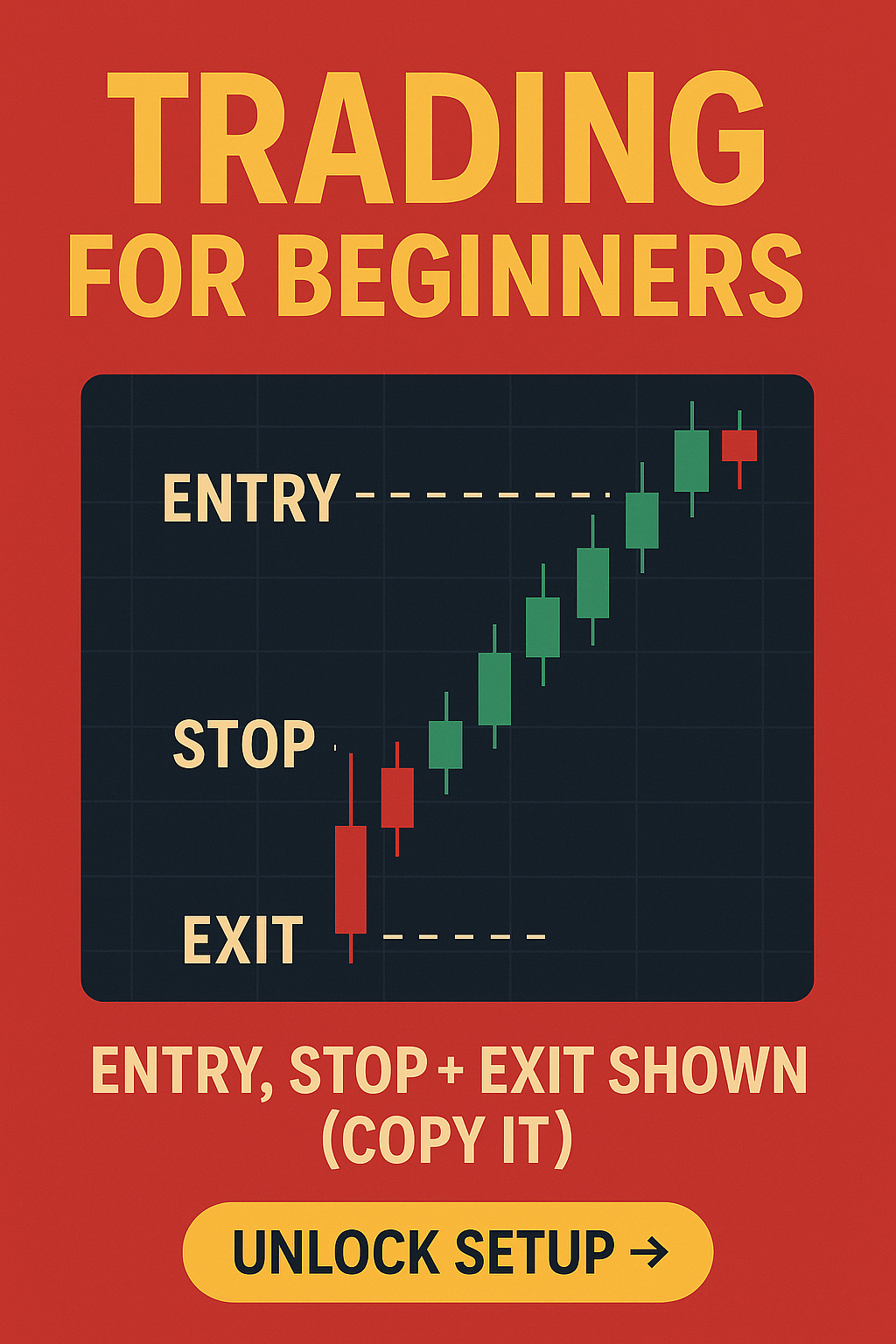
Trading For Beginners – Why Most ASX Traders Fail Before They Even Start
Trading for Beginners – Why Most ASX Traders Fail Before They Even Start
Trading for beginners is not difficult because the ASX is complicated. It becomes difficult because most beginners start in the wrong place. They search for strategies, stock tips, signals, and entry points before they understand how markets actually move. When the learning order is wrong, everything feels overwhelming and inconsistent.
The majority of new traders believe the problem is information. They think they need better indicators, faster charts, or access to someone else’s system. What they really lack is structure. Without structure, price looks random. With structure, markets begin to make sense.
Trading for beginners fails early because most people attempt execution before education. They open trading accounts before they can identify trend direction. They risk real capital before they understand risk management. That reversal of priorities quietly damages confidence before skill is even developed.
This is why many ASX traders struggle before their journey truly begins. The issue is not intelligence. It is sequence. Markets reward preparation, not enthusiasm.
Trading for Beginners – Get the Correct Foundation
If you are serious about trading for beginners, the first requirement is environment. You need a clean, professional place to study price without emotional pressure. That environment is TradingView. It allows you to observe markets through monthly, weekly, and daily structure without risking capital.
TradingView stands apart because it is built to analyse first and execute second. Most platforms are designed to place trades quickly. TradingView is designed to understand price movement properly before money is involved. That distinction protects beginners from making emotional decisions too early.
The integrated paper trading feature inside TradingView connects you to live market data while removing financial consequence. You can open demo trades, place stop losses, manage positions, and practise risk control in real conditions. Instead of guessing, you begin building repetition and discipline.
Used correctly, paper trading is not a game. It is structured rehearsal. Trading for beginners should always begin with skill development, not capital exposure.
Why Most ASX Trading Fails Early
Most beginners approach ASX trading with the belief that profits come from prediction. They focus on what price will do next instead of what price is doing now. This subtle shift in mindset leads to emotional decisions and overconfidence. Markets punish anticipation without structure.
Another reason trading for beginners collapses early is misuse of timeframes. Traders study daily charts without understanding the monthly direction. They attempt short-term trades in long-term downtrends. Without multi-timeframe awareness, setups lack context and probabilities weaken.
Risk is also misunderstood. New traders define potential profit before they define potential loss. They position sizes emotionally. When volatility increases, fear replaces logic. Confidence erodes, and the journey ends before skill matures.
The harsh truth is simple. Most trading failures are not market failures. They are preparation failures.
Trading for Beginners – Follow the Right Learning Sequence
The correct order removes confusion. Environment comes first. You observe markets without pressure. You learn how trends form, how structure repeats, and how price behaves around key levels.
Structure comes second. You learn how to identify trend direction, support and resistance, and timeframes correctly. You stop reacting and begin analysing. Decisions become calmer because they are anchored in logic rather than emotion.
Capital comes last. Only after repetition and structured practice should real money be introduced. This protects confidence while skill compounds.
This is the difference between gambling and professional preparation. Trading for beginners requires patience, not prediction.
The Missing Piece – A Complete Framework
TradingView gives you the environment. It gives you live charts, market depth, and paper trading capability. What it does not provide is the full learning system. That is where most beginners remain stuck.
The She Trades Shares 2026 Edition E-Book was written specifically for trading for beginners who want a structured roadmap. Every rule, checklist, chart-marking process, and learning sequence is explained step-by-step. Nothing is assumed. Nothing is skipped.
The Trading for beginners e-book teaches you how to use TradingView properly. It shows you how to open monthly charts first, how to define direction before execution, how to measure risk correctly, and how to create repeatable discipline. Instead of random study, you follow a sequence.
If you combine a professional charting environment with a professional learning system, confusion disappears. Skill builds steadily instead of emotionally.
Final Perspective
Trading for beginners does not fail because the market is unfair. It fails because structure is ignored. When preparation is shallow, results are inconsistent. When preparation is disciplined, markets begin to look clear and measurable.
The smartest decision you can make is to practise before risking capital. TradingView provides the safest starting environment available today. Your framework determines how effectively you use it.
If you are genuinely committed to learning properly, begin with discipline. Open a free TradingView account. Study structure. Follow the correct sequence. Then build real skill before real exposure.
Markets reward those who prepare seriously. Begin the right way.
Resource 🔗
If you’re looking for tools, walkthroughs, masterclasses, cheat sheets, and structured guidance, visit the She Trades Shares Resource Hub. This is your central access point to everything we’ve built — from paper trading support to full step-by-step share trading education.
Trading for Beginners Guide – The Ultimate Resource Hub